
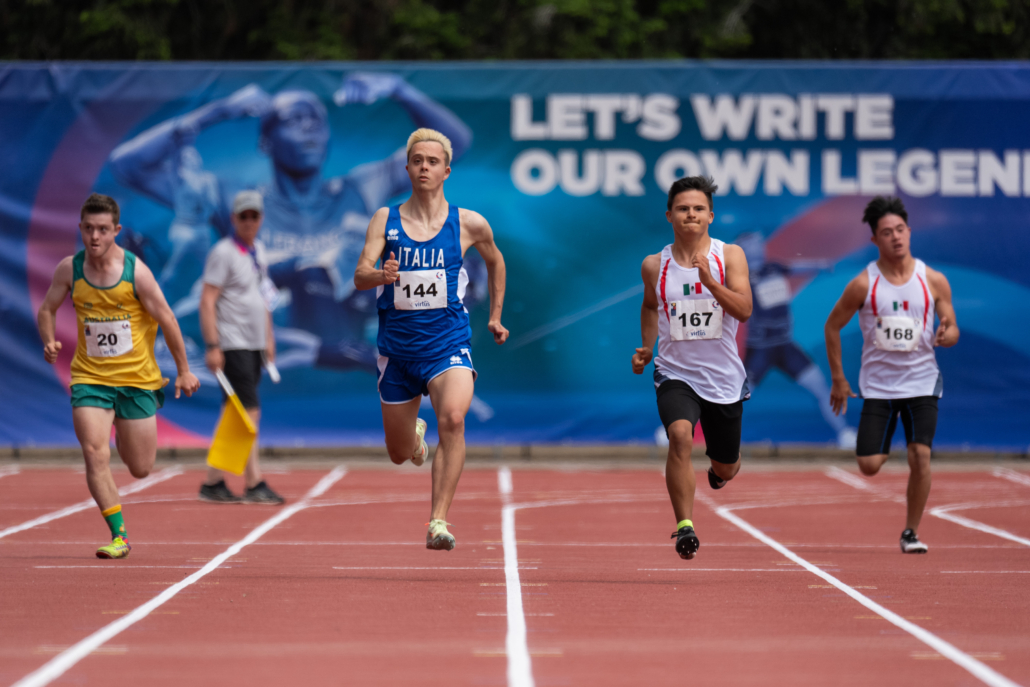
The Story of the II2 Class: Ensuring Fair Competition for Athletes with More Complex Needs
In the world of sport for athletes with intellectual disabilities, no two journeys are the same. Some athletes face additional challenges beyond cognitive impairment – health conditions, sensory difficulties, or physical limitations – that can affect how they compete. Acknowledging this reality is what led to the development of the II2 class.
The Birth of the II2 class
II2 class is a competition class for athletes with an intellectual impairment and with significant other impairment. Studies have shown that people with intellectual impairments have, on average, 11 types of physical health conditions. This competition class was developed to level the playing field for athletes with an intellectual impairment, who might have other impairments or health/sensory issues. These may arise from specific chromosomal conditions, like Down syndrome, or from the unique ways an individual develops. Challenges can include cardiac problems, respiratory issues, differences in muscle tone or flexibility, and sensory difficulties such as vision or hearing impairments.
“II2 is a reminder that equity in sport is not about treating everyone the same, but about understanding difference. By recognising the additional challenges some athletes face, we create genuinely fair competition“, says Prof Jan Burns MBE.
For these athletes, competing in the II1 class that was designed for those with just intellectual disability can be unfair. The additional impairments can affect performance in ways that go beyond strategy, memory, or pacing. Athletes with these more complex functional needs require a competition environment where they can compete on a level playing field.
This is where II2 comes in. While it is not a Down syndrome class, many athletes with Down syndrome naturally fall into II2 because the syndrome usually brings associated physical or sensory impairments. But II2 is broader: it is for any athlete whose intellectual disability comes with additional significant challenges. By creating this class, athletes with diverse conditions – but similar functional limitations – can compete fairly together.
Research behind the II2 class
The journey to II2 began with research in 2012. The research was spearheaded by Professor Jan Burns MBE and completed with Dr Rosanna Gilderthorp, Dr Suzie Lemmey and Dr Lorena Tussis. They worked to develop a screening questionnaire to assess the health status of athletes and a process to evidence the performance limitations, to ensure the class would be evidence-based and fair.

(L-R) Dr Rosanna Gilderthorp, Prof Jan Burns MBE and Dr Suzie Lemmey at GG2019
“Being involved in the research and development of II2 for Virtus was a truly rewarding experience. It was a privilege to contribute to a framework designed to improve fairness and inclusiveness in sport, and to see that work come to life in practice!”, said Dr Lorena.
After years of careful development, II2 was officially introduced as a full competition class at the Brisbane 2019 Virtus Global Games. Today, there are over 660 athletes registered in the II2 class, all competing in an environment designed to reflect both their abilities and their challenges.
II2 is more than a category; it’s a recognition that fairness in sport requires nuance. It ensures that athletes with intellectual disabilities – whether or not they have conditions like Down syndrome – can compete with confidence, knowing they are on an even playing field with others facing similar challenges.
Athletes wishing to apply for athlete eligibility must contact the Virtus National Member Organisation within their country.
As Virtus celebrates its 40th anniversary, we want to extend our gratitude to the research team whose contributions towards developing this eligibility class have been instrumental in helping Virtus to create a fairer space for athletes with intellectual impairment and significant other impairments to compete on the elite stage.
Virtus at 40: Championing Excellence Since 1986


