
The United Nations Sustainable Development Goals (UNSDGs) were established as part of the 2030 Agenda for Sustainable Development, adopted by all United Nations Member States in 2015. These goals serve as a universal call to action to end poverty, protect the planet, and ensure prosperity for all. The UNSDGs are crucial because they provide a shared blueprint for peace and prosperity for people and the planet, now and into the future. With their comprehensive scope, the goals address the root causes of global challenges such as inequality, climate change, and environmental degradation. Following the UNSDGs is vital because they encourage collaboration and partnership at all levels—local, national, and international—ensuring that no one is left behind. By striving to meet these goals, individuals and organisations contribute to creating a more equitable, sustainable, and peaceful world for current and future generations.
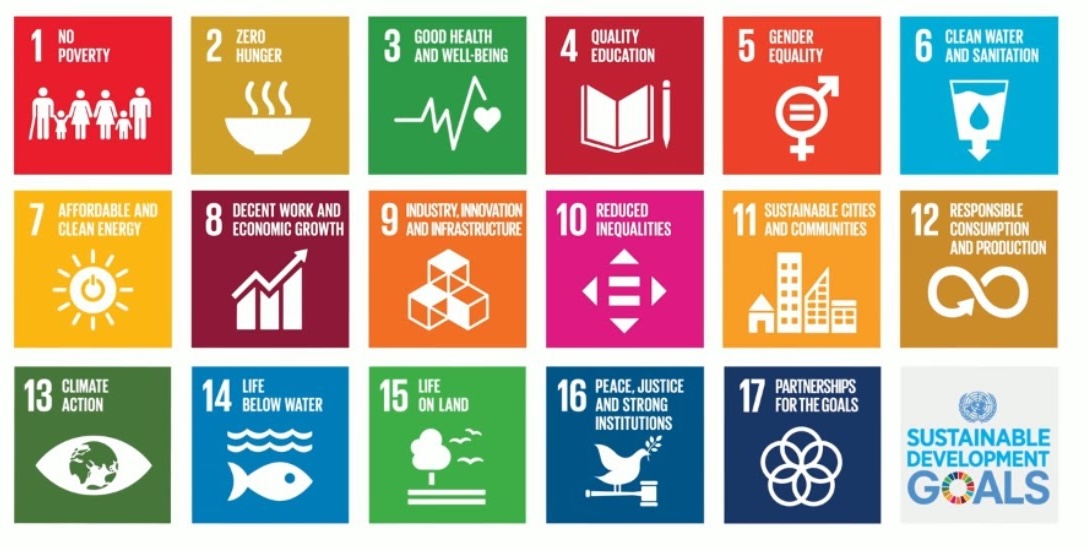
The United Nations Sustainable Development Goals (UNSDGs) offer a global blueprint for achieving a sustainable future. By incorporating these goals into Virtus events, organisers can amplify the events’ impact and extend their reach. This guide explains each of the 17 UNSDGs, including diagrams for better understanding, and provides detailed guidelines for their integration into Virtus events.
Understanding the UNSDG’s
Before embedding UNSDGs into your event, it’s crucial to understand what each goal entails. The 17 Sustainable Development Goals tackle global issues like poverty, inequality, climate change, environmental degradation, peace, and justice. Familiarising yourself with each goal enables you to align them effectively with your event objectives.
We are sharing some simple, practical ways Local Organising Committees (LOCs) can integrate Sustainable Development Goals (SDGs) into Virtus events, inspired by the Global Games 2023 initiatives and best practices from other international sport events. These ideas focus on low-cost, easy-to-implement actions.
1. Reduce Waste and Improve Recycling (SDG 12 – Responsible Consumption)
- Install clearly labelled recycling bins with visuals to help athletes and spectators sort waste.
- Partner with local organisations to collect and compost food waste.
- Organise “Clean Walks” around venues to encourage environmental responsibility.
- Use reusable dishes, cups, or compostable materials in dining areas.
2. Reduce Plastic Use (SDG 12 & SDG 13)
- Provide reusable water bottles in athlete welcome packs.
- Install water refill stations or fountains at competition and accommodation sites.
- Avoid single-use plastic bottles and encourage athletes to refill bottles.
3. Use Digital Communication (SDG 12)
- Publish event programs, schedules, and results online instead of printing.
- Use QR codes around venues to access event information.
- Promote sustainability messages through digital screens and social media.
4. Support Local Communities (SDG 11 – Sustainable Cities & Communities)
- Partner with local charities to donate surplus food.
- Donate event equipment, sports materials, or merchandise to local clubs after the event.
- Involve local volunteers, schools, and community groups in the event.
5. Sustainable Transport (SDG 13 – Climate Action)
- Provide shuttle buses between accommodation and venues.
- Plan venues so that competition, meals, and accommodation are close together.
- Encourage walking or cycling where possible.
6. Environmental Legacy Projects (SDG 15 – Life on Land)
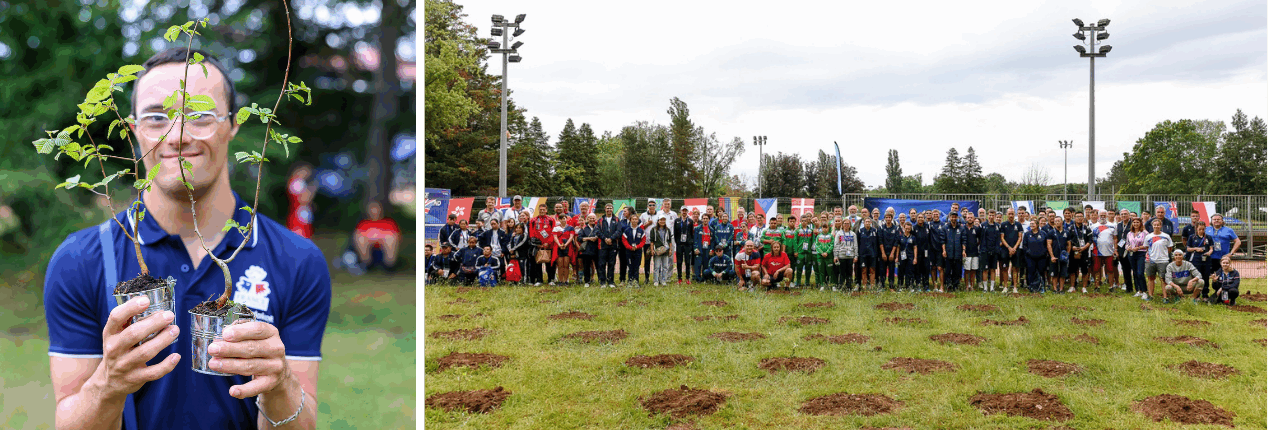
- Organise tree planting initiatives such as the Virtus Forest.
- Create symbolic projects like the Palaver Tree, where participants can share ideas and dreams for inclusive sport.
- Support local environmental projects that remain after the event.
7. Raise Awareness (SDG 4 – Quality Education)
- Organise short conferences or talks on sustainability and inclusion in sport.
- Display visual materials promoting sustainable development around venues.
- Encourage athletes and volunteers to act as Eco Ambassadors.
8. Promote Inclusion and Equality (SDG 10 – Reduced Inequalities)
- Highlight stories of athletes with intellectual impairments.
- Ensure accessible venues and inclusive participation opportunities.
- Engage communities to promote understanding of intellectual disability in sport.
9. Sustainable Catering (SDG 12 – Responsible Consumption)
- Offer locally sourced food to reduce transport emissions.
- Include vegetarian or plant-based meal options.
- Adjust meal planning to reduce food overproduction.
- Encourage portion choice systems to avoid food waste.
10. Sustainable Event Materials (SDG 12)
- Use reusable signage and banners that can be stored for future events.
- Print on recycled or eco-certified paper when printing is necessary.
- Replace plastic accreditation holders with reusable or biodegradable materials.
- Produce durable medals or souvenirs designed to last.
11. Sustainable Event Merchandise (SDG 12)
- Use eco-friendly merchandise such as organic cotton shirts or recycled materials.
- Avoid unnecessary promotional items that may become waste.
- Encourage useful souvenirs like reusable bags or water bottles.
12. Energy Efficiency (SDG 13 – Climate Action)
- Use LED lighting in venues when possible.
- Ensure venues switch off lights and equipment when not in use.
- Use existing sports infrastructure instead of building temporary structures.
13. Sustainable Accommodation (SDG 11 – Sustainable Cities)
- Work with hotels that have environmental policies (towel reuse, recycling programs).
- Encourage athletes and staff to reuse towels and reduce water consumption.
- Choose accommodation close to venues to reduce transport needs.
14. Volunteer Engagement (SDG 17 – Partnerships)
- Train volunteers to act as Eco Volunteers who guide participants on recycling and sustainability practices.
- Encourage volunteers to support clean-up activities and sustainability messaging.
15. Inclusive Sustainability Activities (SDG 10 – Reduced Inequalities)
- Organise inclusive environmental activities where athletes, volunteers, and the community participate together.
- Ensure sustainability messages are accessible and easy to understand for people with intellectual impairments.
16. Carbon Awareness (SDG 13 – Climate Action)
- Encourage delegations to offset travel emissions where possible.
- Promote public transport options for spectators.
- Track and report the event’s environmental initiatives as part of the event legacy.
17. Community Engagement (SDG 11 & SDG 17)
- Invite local schools or community groups to sustainability activities.
- Organise community clean-up events or tree planting.
- Work with local environmental NGOs.
18. Responsible Procurement (SDG 12)
- Choose local suppliers whenever possible.
- Prioritise vendors with sustainable practices or certifications.
- Rent equipment instead of buying when possible.
