
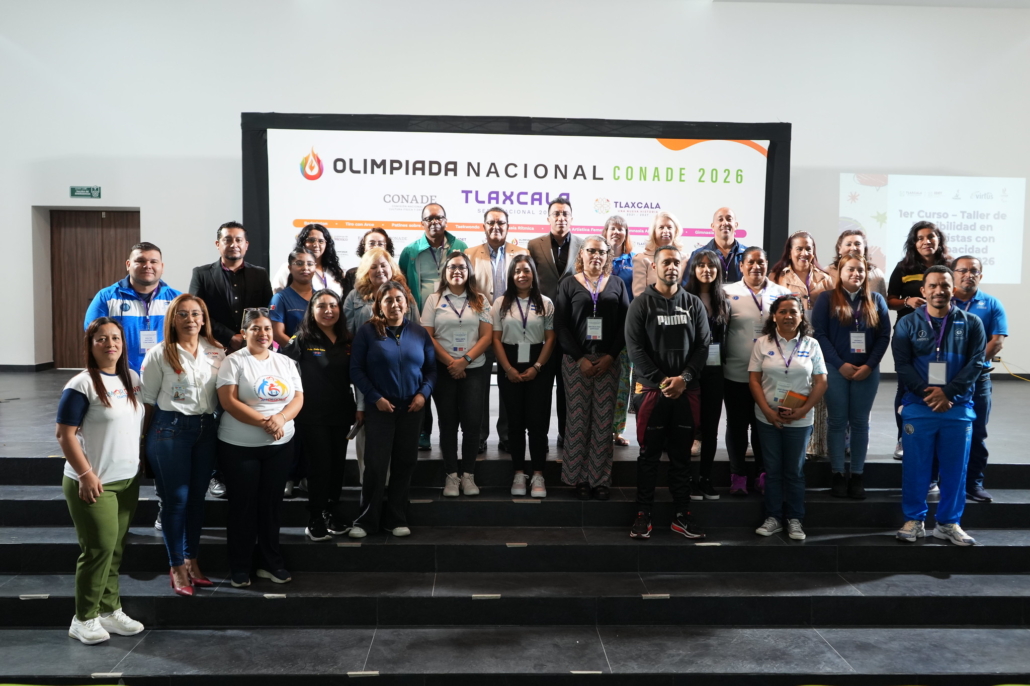
Global Experts Gather in Mexico for First Eligibility Workshop of 2026 to Advance Inclusive Sport
Virtus, the International Sport Federation for Athletes with an Intellectual Impairment, in collaboration with Virtus Americas, Virtus member in Mexico, Federación Mexicana de Deportistas Especiales (FEMEDE), the Instituto del Deporte de Tlaxcala, and with the endorsement of the Comité Paralímpico Mexicano, successfully conducted the 1st Course of Eligibility for People with Intellectual Impairments 2026, marking a major milestone in strengthening fair and inclusive competitive sport worldwide.
Held from April 16–18, 2026, at the Ciudad Deportiva de Alto Rendimiento Nueva Historia, the workshop brought together psychologists, coaches, and technical professionals from across the Americas and beyond, including participants from Australia, Brazil, England, El Salvador, Guatemala, Puerto Rico, and Mexico.
The workshop featured leading international experts, including Dr. Suzie Lemmey, who delivered in-depth training on eligibility determination, and Humberto Luiz Ferreira, who addressed key concepts and characteristics of intellectual impairment.
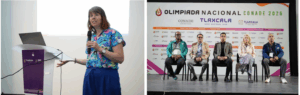
Suzie Lemmey delivering eligibility workshop (L) and Humberto Ferreira, Virtus Governing Board member, Miguel Angel Garcia Meza – President of the Mexican Paralympic Committee, Daniel Moncayo – Director of State Sports in Tlaxcala, Mexico, Robyn Smith OAM – Virtus President, and Miguel Caraballo Fred – Virtus Governing Board member. Photo Credit: Mexican Paralympic Committee
Additional contributions from Emanuel Franco Garibay Gómez, Mónica Vargas Pérez de León, Samuel Pérez, and Isabel Gomora enriched discussions on competitive sport pathways, health impacts, and inclusion strategies.
A central focus of the course was the eligibility process, a cornerstone of fair competition in sport for athletes with intellectual impairments. Through practical sessions and collaborative dialogue, participants gained the tools to apply standardised criteria while ensuring dignity, transparency, and inclusion.
The initiative also highlighted the growing role of intellectual impairment sport within the Paralympic movement, reinforcing the need for trained professionals across regions.
“This workshop provided an opportunity for learning, feedback, and the exchange of ideas among the Central American countries present,” says Miguel Caraballo Fred, one of the attendees from the workshop.
Strengthening Expertise in Eligibility and Inclusion
The course aimed to enhance the professional competencies of clinical and educational psychologists, as well as coaches, in the evaluation, identification, and determination of eligibility for athletes with intellectual impairments. The program emphasised an ethical, scientific, and inclusive framework, aligned with current national and international regulations.
Participants engaged in intensive sessions covering:
- Contemporary concepts and classifications of intellectual impairment
- Psychological assessment tools and eligibility criteria
- Ethical considerations and real-world case applications
- The structure and significance of eligibility in competitive sport
A Regional Milestone with Global Impact
With academic endorsement from FEMEDE, COPAME, and VIRTUS, the course represents a significant step toward building a robust network of qualified professionals dedicated to inclusive sport.
Organisers emphasised that this first workshop of 2026 sets the foundation for future training programs and international collaboration, ensuring that athletes with intellectual impairments are supported by high-quality, evidence-based eligibility systems.


