
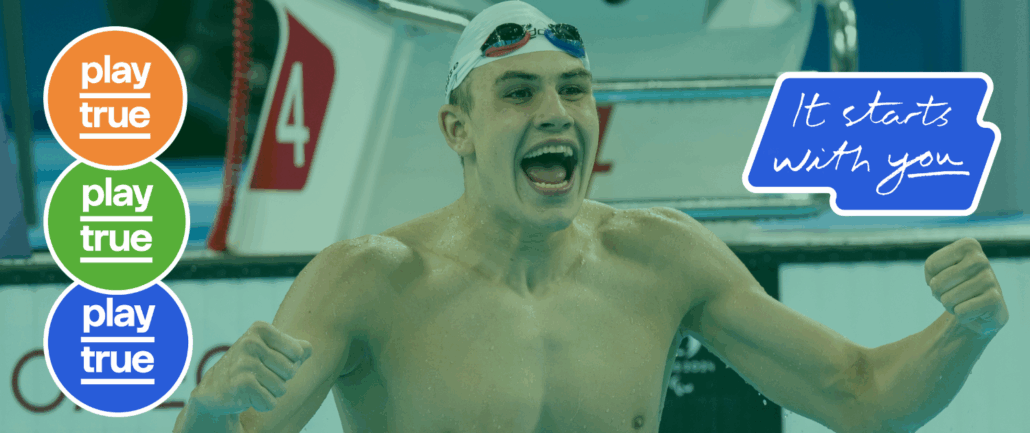
Virtus Joins WADA to celebrate Play True Day 2026: A Commitment to Clean Sport
Today, April 17th 2026, is celebrated as Play True Day, a global WADA campaign dedicated to clean sport. For Virtus, this date is more than just symbolic; it reflects our ongoing work to ensure that athletes with intellectual impairments (II) compete on a level playing field, protecting both their health and sporting ethics.
Why is Anti-Doping Vital for Virtus?
Anti-doping goes far beyond simply testing our athletes; it is about education and protection. It is about guaranteeing an environment free of doped athletes or unethical professionals, ensuring that performance is the result of talent and training alone. This preserves the physical integrity of competitors who may often be more vulnerable to external influences or the incorrect use of medications.
Education as Our First Front
Virtus works to ensure athletes have access to information before they even reach a competition. To achieve this, we share the responsibility with National Anti-Doping Organisations (NADOs). Each country can and should support athletes with an intellectual impairment by using adapted materials and providing information through smaller, more engaging, and playful sessions. At Virtus, we are here to support every country in meeting these specific demands.
The Pathway to the Paralympics
Doping control is a rigorous requirement for any athlete aspiring to a Paralympic podium or any podium at all.
Testing at Virtus events is essential to maintain the integrity of our sport and keep us in compliance with WADA. Furthermore, experiencing the collection process within the familiar environment of a Virtus event reduces anxiety. This prepares the athlete for controls during the Paralympic Games, where the environment can be significantly more stressful. Having a robust anti-doping program is fundamental for the validation of records and rankings that lead to Games such as LA28.
Anti-Doping at Virtus: How It Works
Virtus began systematic testing at its events over two decades ago. Currently, testing focuses primarily on the II1 class (athletes with an intellectual disability), as this is the group currently integrated into the Paralympic program.
The II2 and II3 classes are in constant evolution. Our initial focus for these groups is education, ensuring that as these categories grow competitively, the testing system is implemented in a fair and sustainable manner.
What Makes Testing II Athletes Different?
Testing an athlete with an intellectual impairment requires a different approach compared to athletes with other impairments:
- Communication: The use of simple language and visual aids is crucial.
- Representatives: The presence of an athlete representative who understands the athlete’s cognitive needs is fundamental to preventing stress.
- Sample Collection Personnel: It is imperative that the collection team is highly trained to carry out the process within established standards while maintaining the empathy needed to understand our athletes’ demands.
- Process Modifications: For our athletes, the necessary adaptations are not about physical barriers like a step or a different collection cup, but rather the ability of professionals to adjust to the athletes’ emotional needs. While international standards are maintained, small adjustments in how instructions are delivered ensure the athlete understands every step of the process, guaranteeing their autonomy and dignity.
As Virtus celebrates its 40th anniversary, we would like to thank WADA for being the pioneers of doping-free sport and our anti-doping committee for making sure Virtus and athletes with an intellectual impairment adhere to the anti-doping code. At Virtus, we believe that true sport is sport played with honesty. By educating our athletes today, we are building the ethical champions of tomorrow.


