
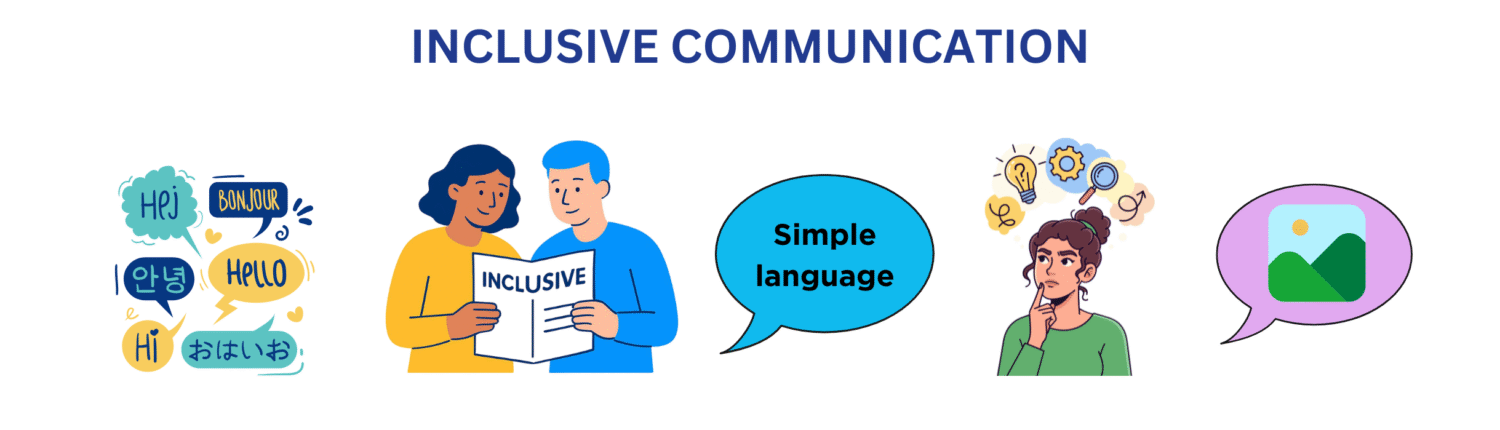
Virtus is proud to launch its new Inclusive Communication Guide, a practical guide designed to help organisations, staff, volunteers, coaches, educators, and service providers communicate more effectively with individuals with an intellectual disability.
The guide has been developed to promote inclusive communication and ensure that information is accessible, understandable, and meaningful for everyone. It provides simple, practical advice on using clear language, short sentences, and visual supports to improve understanding and participation.
Inclusive Communication helps individuals with an intellectual disability understand information, make choices, ask for help, and know their rights.
How to turn a document into an Inclusive Document
Use simple language
Use short sentences and common words. Avoid jargon or complicated words and explanations.
Avoid overloading it with too many sentences, long lists or technical language.
Example:
Hard to understand: “We will commence the meeting at 10:00.”
Inclusive Communication: “The meeting starts at 10:00.”

Give time to think
Speak slowly and pause after you ask a question. Some people need extra time to process information.
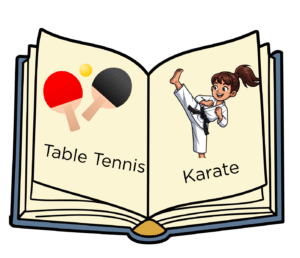
Use pictures or demonstrations
Pictures, symbols, or showing how to do something can make information easier to understand.
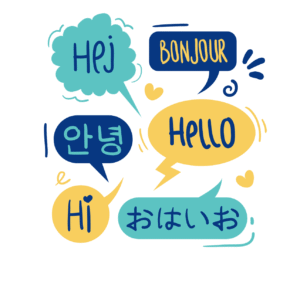
Use the national language where needed
When required, translate text to the national language for better understanding.
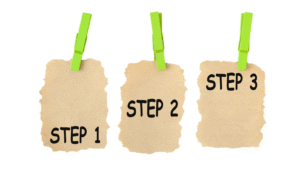
Explain things step by step
Break information into small steps. For example: first do one task, then move on to the next task.
Clear message
Using clear, patient, and respectful communication helps everyone understand and take part in decisions.
Use big text
Use big text to make it easier to read.
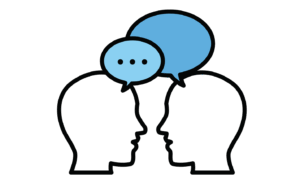
Communication
When you are talking to someone with an intellectual disability:
- Speak clearly
- Give time to think
- Be patient
Perform the “Check it is clear” section as good practice
Before you share your information, check:
- Is it easy to read?
- Are the words simple and easy to understand?
- Have you included pictures to help them understand the information?
You can also ask an individual with an intellectual disability to check the document.
Things that can be turned into an Inclusive Document
Report
Meeting agendas
Form

Letter

Rules and Regulations
Key terminologies to use in Virtus documents:
AVOID USING: Intellectually impaired athlete, Down Syndrome and Autistic athlete
USE: Athletes with an intellectual impairment or disability, Down syndrome and athletes with autism
How will it help people with an intellectual disability?

Understand information

Making choices
Ask for help

Be more independant

Know their rights

Virtus is the brand name of the International Sports Federation for athletes with intellectual impairment and is a founding member of the International Paralympic Committee. Registered as a Charitable Incorporated Organisation in the UK (1173901)
Links