
Story of II1 Competition Class – For Athletes with an Intellectual Disability
When Virtus launched – then known as the INAS-FMH – it was recognised that elite athletes with an intellectual disability lacked a pathway into high-level international competition. As part of the International Coordinating Committee (the collaboration that would later become the International Paralympic Committee), INAS-FMH grew quickly to provide high-level World and Regional Championships in a number of sports, including the 1st INAS Games in 1989 (held in Harnosand, Sweden), the first “Paralympic Games for Persons with a Mental Handicap” in Madrid in 1994 and in 1996, the Atlanta Paralympic Games. Athletes with an intellectual disability also competed in a demonstration programme at the 1998 Nagano Winter Paralympics.
In these early years – and indeed until 2016 when additional eligibility groups were added to the competition programme – the organisation organised competition in just one eligibility group: for athletes with an intellectual disability.
What is an intellectual disability?
Intellectual disability is a type of neurological impairment. It usually occurs before or during birth, though it can also develop in early childhood or adolescence and affects a person’s cognitive and intellectual functioning. That can mean differences in memory, processing information, reacting quickly, and planning or working strategically. Like anyone else, people with intellectual disabilities have a mix of strengths and weaknesses. Cognitive functioning can significantly affect performance in sport, especially in areas such as tactics, pacing, decision-making under pressure, adjusting technique in real time, such as take-off points in jumping events and processing instructions or changes in strategy quickly.
The World Health Organisation (WHO) and American Association of Intellectual and Developmental Disability (AAIDD) define an intellectual disability as a severe impairment in intellectual function (as defined by IQ) and everyday functioning (as defined by Adaptive Behaviour), where the disability is present before the age of 22. These 3 criteria form the basis of the Virtus eligibility criteria for athletes with an intellectual disability, commonly now referred to as the II1 group.
Virtus manages the worldwide system of checking and reviewing applications for athletes wishing to compete in the II1 eligibility group. This is the first step in a process known as athlete classification, where athletes with similar impairments are grouped together to ensure fair sport.
Around 2006 a comprehensive review of the eligibility process was initiated which led to many of the developments we still see today including the appointment of a global network of National Eligibility Officers (NEO’s) – volunteer psychologists based within Virtus member nations to manage the process at a country level, the formation of an international panel to check and scrutinise applications, and substantially tighter and more robust procedures including an appeals process.
At a similar time, research began to understand and measure in a scientific way the impact of intellectual disability on sports performance. A collaboration between Virtus, International Sports Federations, the IPC and a number of universities, including KU Leuven in Belgium, ensured the process for athletes with an intellectual disability was compliant with the newly published IPC Classification Code.
Over time, additional changes have been introduced to take the process online and to reflect changes to the international guidance published by WHO and AAIDD, and today the master list – the published database of eligible athletes – has grown to almost 10,000 athletes worldwide. Each year, the number of new applications grows, and in 2025, Virtus processed more than 700 new athlete applications.
Opening doors to international competitions
Today, athlete eligibility is central to everything Virtus does. Creating a fair and robust platform for elite competition has opened the doors for more than 500,000 athletes to access high-level sport competitions worldwide every year.
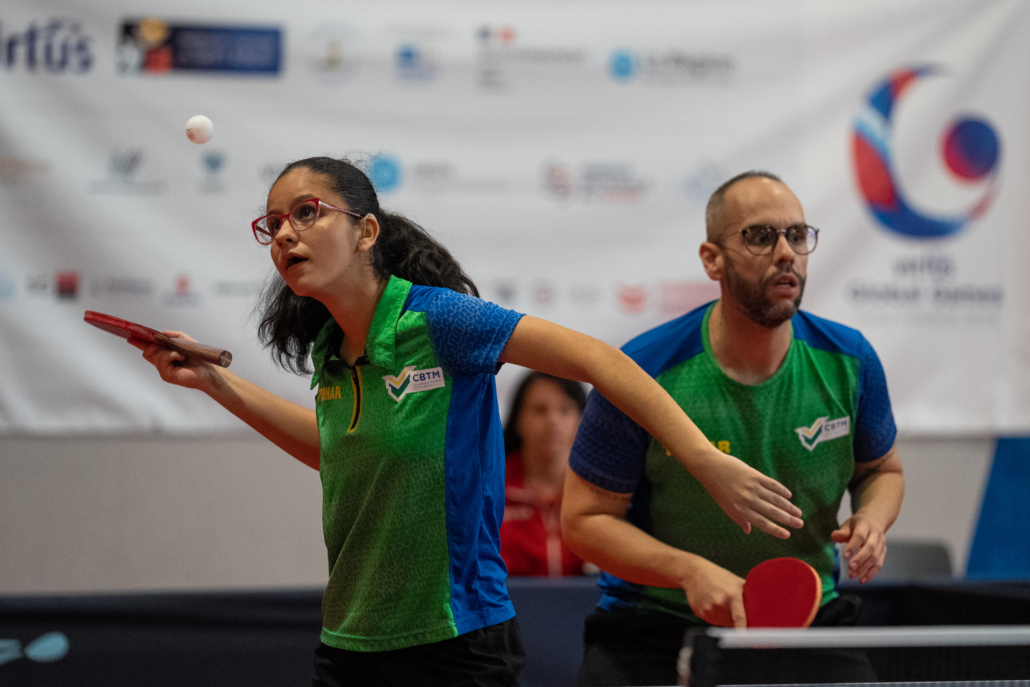
Today, athletes compete in athletics (T20/F20), table tennis (class 11), and swimming (S14) at the Summer Paralympic Games, in addition to a Virtus programme covering more than 16 sports.
As we enter our 40th year, Virtus thanks everyone who has helped develop and refine the athlete eligibility process and create a platform for international sport for athletes with an intellectual disability.


